Key Steps to Plan and Prepare for a Smooth, Long-Lasting Finish
Before starting a fence painting project, you need to check the fence condition, pick the right paint, prepare the surface, and plan for the weather. Good prep work is what makes the paint last. If you skip steps or rush, the paint can peel, bubble, or fade fast. A little planning at the start will save you time, money, and stress later.
What You Need Before Starting
Fence painting is not just about opening a paint can and getting to work. You need the right tools and materials ready before you begin. Having everything on hand keeps the job moving and helps you avoid mistakes.
- Exterior paint or stain made for wood or your fence material
- Primer, if the fence is bare wood or heavily worn
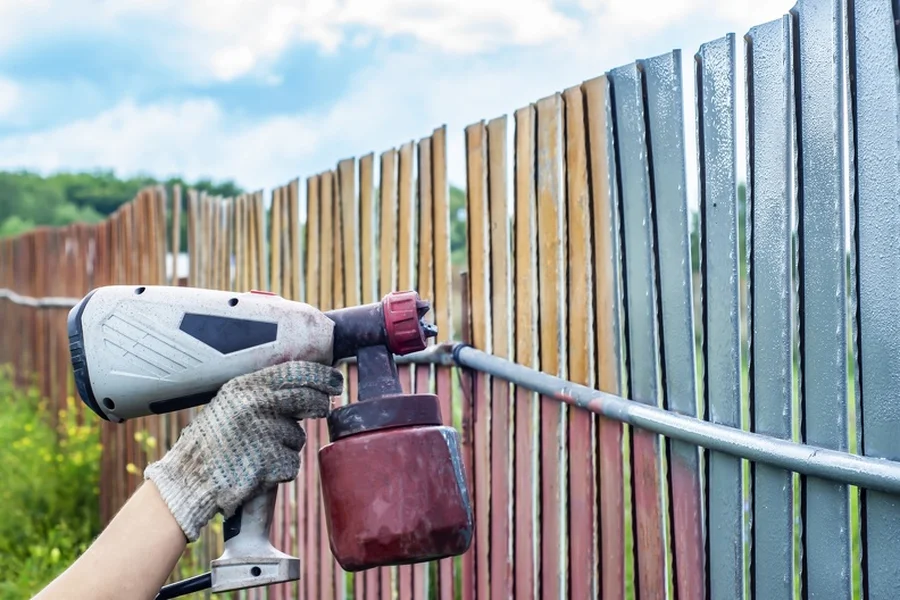
- Paint brushes and rollers, or a paint sprayer
- Drop cloths to protect grass and concrete
- Sandpaper or a sanding block
- Pressure washer or garden hose
- Scraper for loose or peeling paint
You also need to check the weather forecast. Dry days with mild temperatures are best. Too much heat can dry the paint too fast. Rain can ruin fresh paint in just minutes.
Step-by-Step Fence Painting Process
Following a clear order helps you get smooth, even coverage that lasts. Here is a simple process most homeowners can follow:
- Inspect the fence. Look for rot, loose boards, nails sticking out, or damage.
- Make repairs. Replace broken boards and tighten loose screws or nails.
- Clean the surface. Wash off dirt, mildew, and old debris. Let it dry fully.
- Scrape and sand. Remove peeling paint and smooth rough spots.
- Apply primer if needed. This helps paint stick better and last longer.
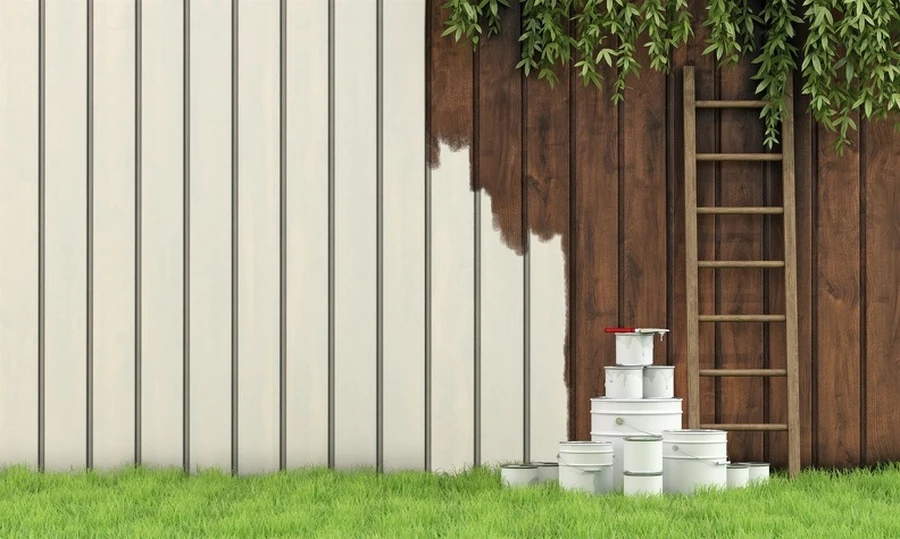
- Paint or stain evenly. Work in small sections and follow the wood grain.
- Let it dry fully. Avoid touching or closing gates until the paint has cured.
Working in sections helps you keep a wet edge. That means the paint blends well without lines or streaks.
Common Mistakes to Avoid
Many fence painting problems happen because of skipped prep or poor timing. One common mistake is painting over dirt or mildew. The paint will not stick well and may peel within months.
Another mistake is using indoor paint outside. Exterior paint is made to handle sun, rain, and temperature changes. Using the wrong product leads to cracking and fading.
People also rush and apply paint too thick. Thick layers take longer to dry and can drip. Thin, even coats are better. Two light coats often last longer than one heavy coat.
Not protecting nearby surfaces is another issue. Paint can splash on siding, patios, or plants. Drop cloths and painter’s tape can prevent extra cleanup work.
When to Call a Professional
Some fences are simple. Others are large, tall, or badly worn. If your fence has major rot, leaning posts, or years of peeling paint, it may be time for professional help.
A large yard can also make fence painting a big task. What seems like a weekend job can stretch into weeks. Professionals have sprayers, ladders, and crews to handle bigger projects safely.
If you want a smooth, even finish with less stress, hiring a team may be the right choice. This is especially true if your fence surrounds a pool, borders a busy street, or needs detailed trim work.
Final Recommendation and Next Steps
If you are planning fence painting in Prineville, OR, the best first step is a full inspection and solid prep plan. At Vortex Painting LLC, we handle repairs, surface prep, and clean, even paint application from start to finish. Call us at (541) 216-6216 to schedule a visit or ask questions about your project. We are happy to help you protect your fence and make it look its best.